
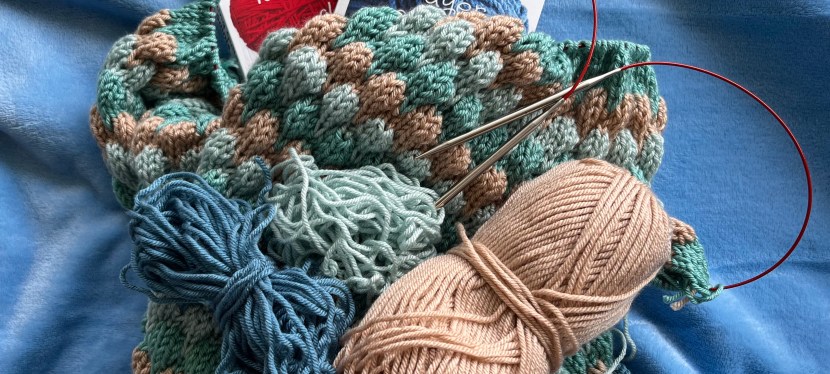
Exploring Symbolic Colors in Prayer Shawl Design
When you embark on the journey of creating a prayer shawl – or any other crafting project – the choice of colors goes beyond aesthetics; it can carry profound symbolism. Across various traditions, colors have played a significant role in conveying concepts and stories. Whether you’re crafting for spiritual or personal reasons, understanding the symbolism of colors can add a meaningful layer to your prayer shawl design.
Here’s list of common colors and traditional symbolism associated with each:
- Red: Passion, Love, and Energy
- Red symbolizes passion, love, energy, courage, warning, power, celebration, and attention, with its meanings varying across cultures and contexts.
- White: Celebration and Renewal
- White, representing celebration and renewal, symbolizes purity, a fresh start, and the illuminating power of light.
- Purple: Rich Emotions
- Purple can evoke both warmth and calmness.
- Blue: Calmness and Spirituality
- Blue brings a sense of calmness. It suggests elements of water, peace, and the expansive sky.
- Green: Growth and Abundance
- The color of growth, green is used after Pentecost. It signifies nature, abundance, and tranquility.
- Yellow and Gold: Warmth and Cheerfulness
- Yellow suggests cheerfulness and sunshine, while gold brings a sense of coziness and warmth.
- Pink: Joy and Playfulness
- Pink represents joy, youthfulness, and cheerfulness.
- Brown: Earthy Humility
- Brown symbolizes humility, reminiscent of monk’s robes. It brings warmth through its connection to nature and soil.
- Beige: Calming Desert Tones
- A calming color reminiscent of sand, beige can symbolize time spent in the desert or on the beach.
In moments of uncertainty, neutral tones such as beige, cream, grey, taupe, and sand always make for a beautiful prayer shawl. Consider the soothing, cozy, and comfortable feelings these colors can evoke. After all, your hand-crafted work aims to embrace someone with a heartfelt hug.
Whether you find inspiration in religious symbolism or personal preferences, let your prayer shawl be a reflection of warmth, comfort, and love.
Happy knitting!
Cindy
Cynthia Coe is the author of The Prayer Shawl Chronicles, a collection of interrelated short stories about knitters and those they meet through knitting and sharing prayer shawls.
Be sure to check out my newly published A Prayer Shawl Handbook: Inspiration and Resources for Your Prayer Shawl Ministry, now available in paperback and e-book editions and included in Kindle Unlimited.


 Sycamore Cove Knitting