
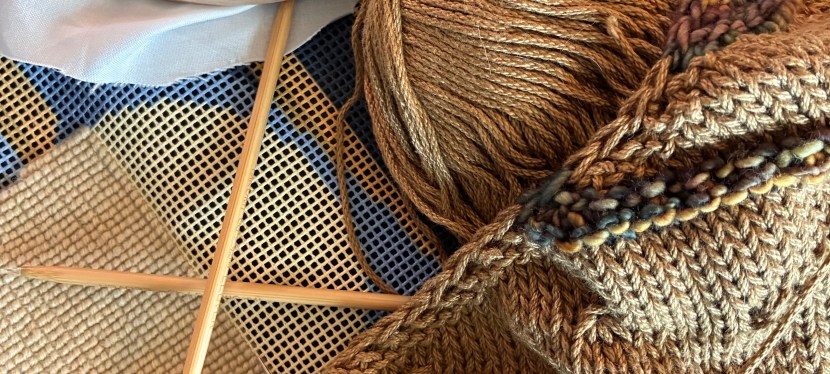
As a longtime knitter, I couldn’t help but notice the trending appeal of what social media is calling “granny crafts” or even “grandma hobbies.” Am I surprised that young people are taking up knitting, crochet, embroidery, needlepoint, and other unplugged, slow, and quiet crafts? I shouldn’t be.
There’s a lot going on in the world right now. There always is, but the level of stress-inducing, high-anxiety, high-tension news seems to have hit a new peak in recent weeks. Whether you agree passionately with one side or another (and for the record—no politics on the knitting blog here!), you feel it. It’s hard to disengage for your own self-preservation and take a few hours—or even a few minutes—to truly chill out.
Why Slow, Unplugged Crafts Are Making a Comeback
Enter old-school crafting.
I’ve always knitted while watching television or listening to an in-person presentation. During the pandemic, I took up crochet to soak up stress and give myself something new to do while stuck at home. Lately, though, I’ve felt the need for complete quiet—completely unplugged and completely unrelated to anything else I do.
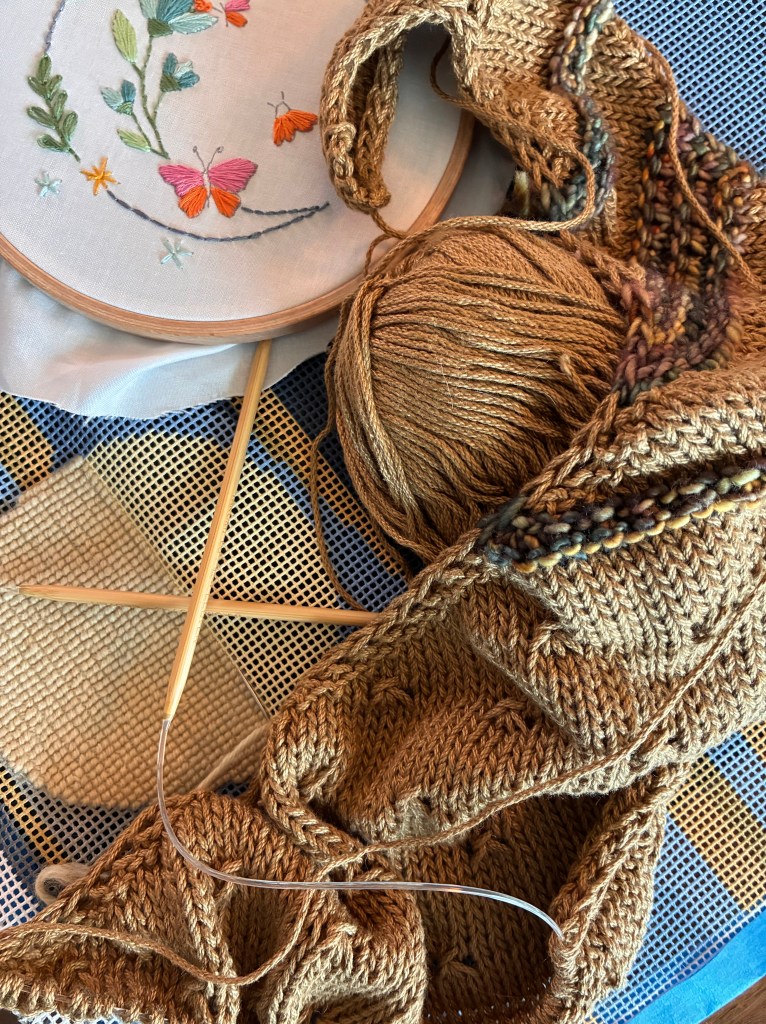
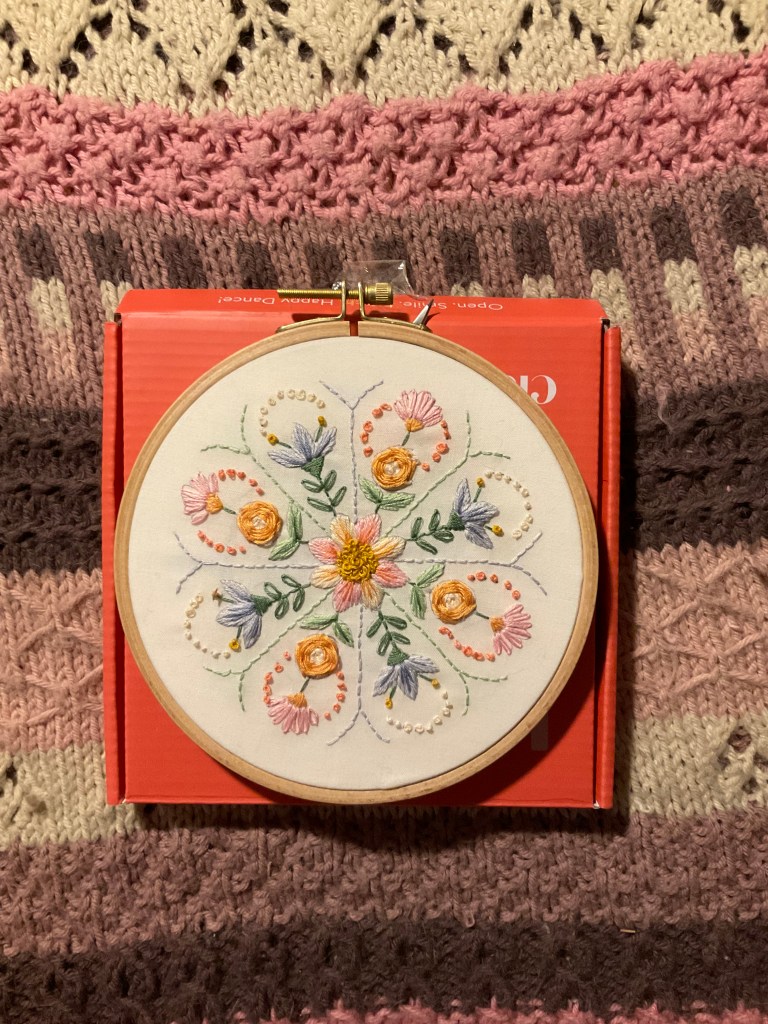
Over the past few months, I’ve taken up both embroidery and needlepoint, and the slow, repetitive stitching has become my go-to way of turning the rest of the world off for a while. These meditative crafts offer something rare: focus without pressure, rhythm without urgency, and creativity without noise.
Knitting, Healing, and Women’s Stories
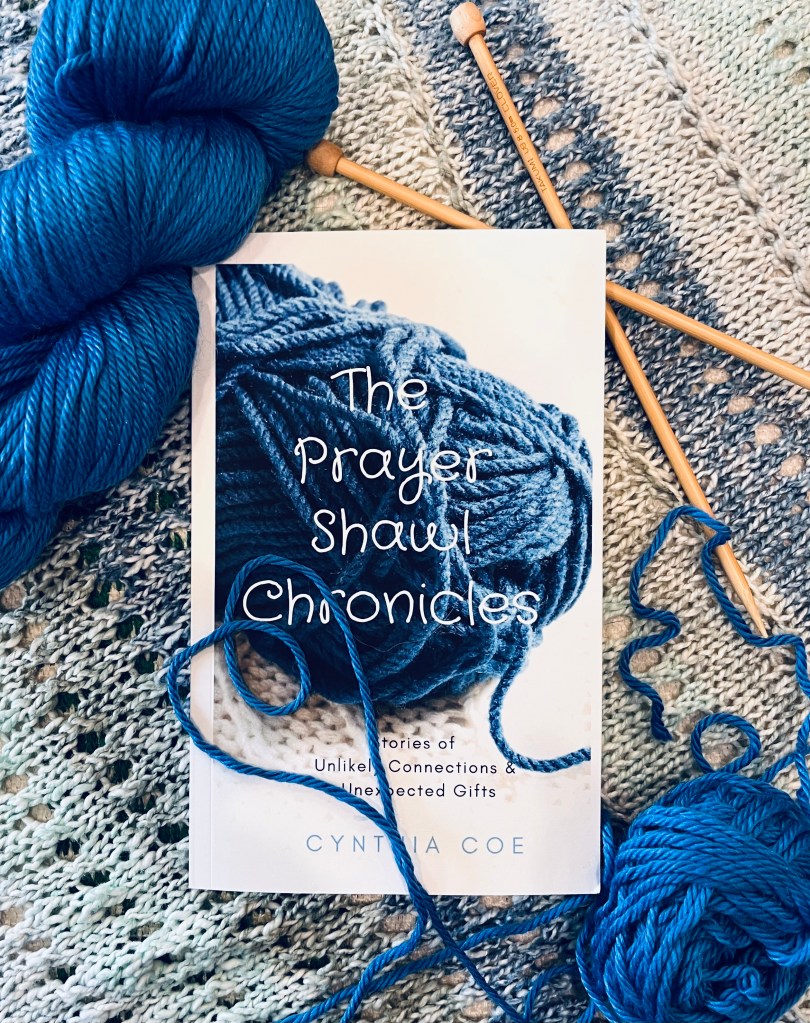
In my books—the Prayer Shawl Chronicles and my historical knitting novels—I’ve always written about women finding peace and solace through slow, meditative knitting. These are women who turn to craft while navigating stressful jobs, personal challenges, grief, and change. Through knitting, they find healing for both body and soul.
I came to prayer-shawl knitting myself when my father entered the dementia ward of a nursing home. I needed something to help me cope as I sat with him, silently, for hours on end. Knitting became my way of staying present, grounded, and calm during a season when words failed.
Welcome to the World of Meditative Crafting
If you’re new to the soothing balm of simple, meditative crafting—welcome. You’ll find many other knitters and crafters who turn to yarn, thread, and needle to unwind, just like you. Yes, we all have our moments of ripping out a few rows and starting again, but it beats staring at our phones all day.
If you’re thinking of taking up knitting or another slow craft, give it a try. Crafts do not have to be perfect. It’s the quiet moments of concentration that count. And if you’re an old hand at knitting or embroidery, you already know: we need crafts unconnected to the internet—or world events—more than ever.
In the meantime, I hope you enjoy my books about women who, throughout the centuries, have picked up two sticks and a ball of yarn to make something beautiful—and to heal their own souls.
Blessings,
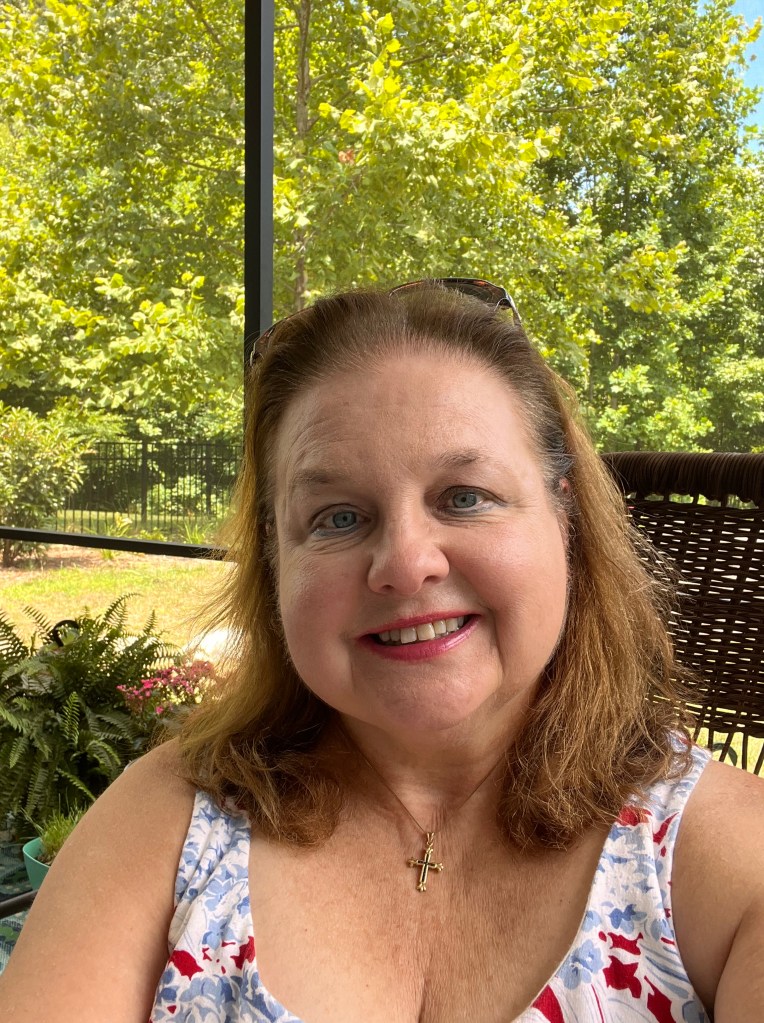
Cindy
Cynthia Coe is the author of The Prayer Shawl Chronicles and its sequel, The Knitting Guild of All Saints. Her newest novels, Knitting Through Time and Knitting Under the Orange Trees, explore how knitting spread through Europe and on to the Americas. Follow her here on the blog, at http://www.cynthiacoe.com, or on her Amazon Author Page.

 Sycamore Cove Knitting