
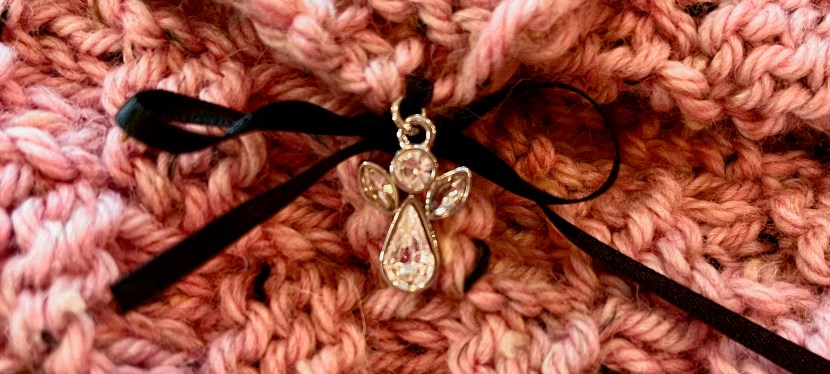
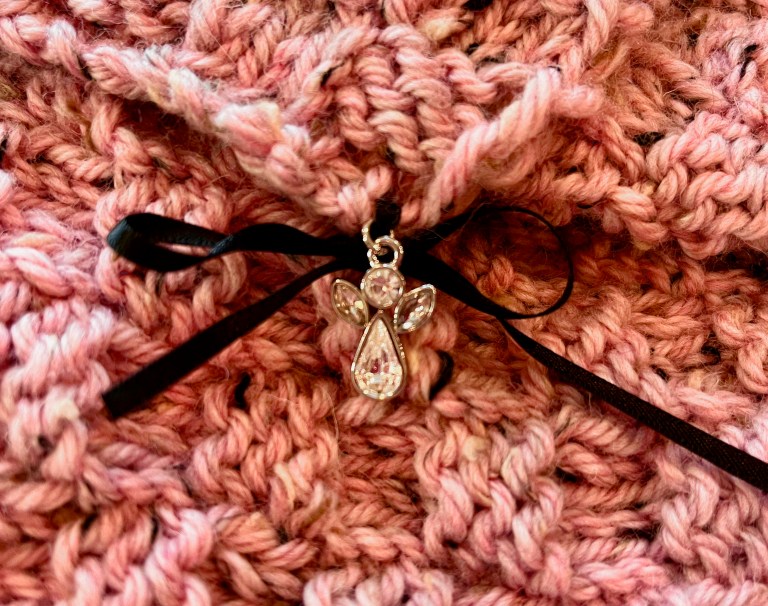
There’s something deeply comforting about a handmade shawl. The weight of it. The warmth. The sense that someone, somewhere, took the time to create something just for you.
For many knitters, that feeling is exactly why we pick up our needles in the first place—not just to make something beautiful, but to make something meaningful.
Rooted in Tradition, Alive Today
The idea of special, meaningful cloths goes back centuries.
In Jewish tradition, the tallit is a prayer shawl used in worship. In Christian communities, fabric has long been used in healing rituals, blessings, and acts of care. Across cultures, textiles have carried meaning far beyond their practical use.
Today’s prayer shawls continue that tradition in a very accessible way. They show up in hospitals, at baptisms, during grief, in times of celebration, and in quiet moments of personal reflection.
They are simple—and yet deeply powerful.
Knitting as a Spiritual Practice
There’s a reason so many people find peace in knitting. It gives your hands something to do while your mind settles. It creates space to think, to process, or simply to be still.
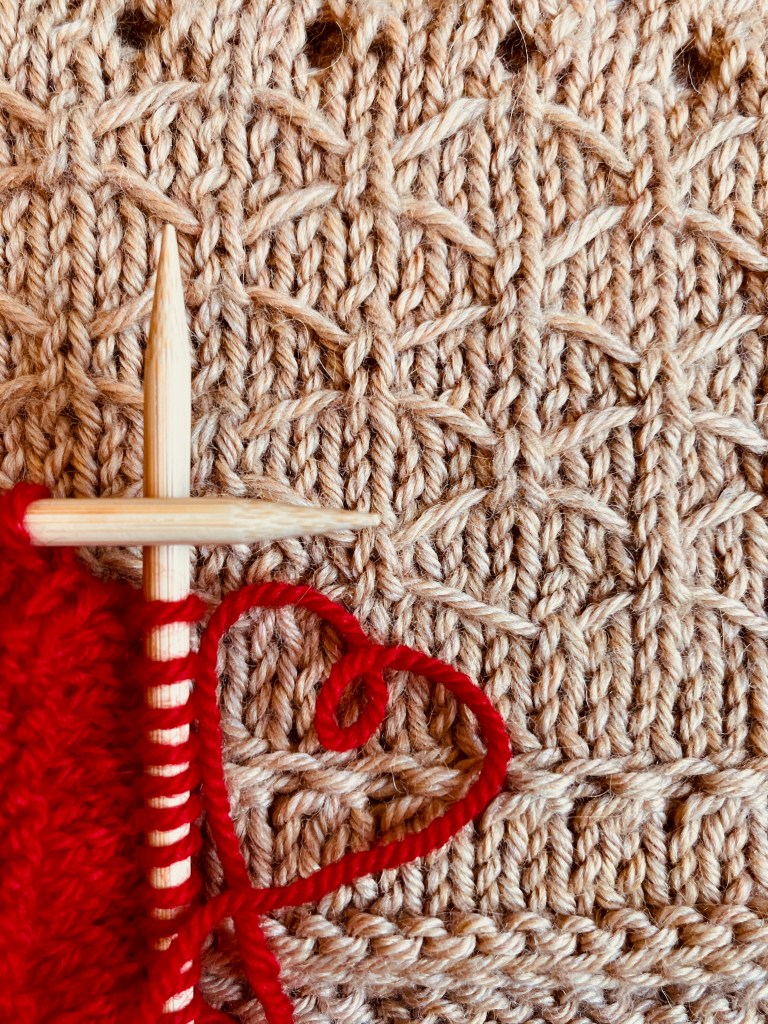
When you knit a shawl with intention, that experience deepens.
You might:
- Hold someone in your thoughts as you knit
- Say a quiet prayer at the beginning or end of a session
- Choose colors that reflect hope, healing, or love
- Simply focus on creating something good in the world
There’s no “right way” to do it.
That’s part of the beauty.
Designing Something Personal
One of the most meaningful aspects of prayer shawls is how personal they can be. From simple beginner patterns to more detailed designs, each shawl can reflect the person making it—and the person receiving it.
Color, texture, size, and pattern all become part of the story. Even the simplest garter stitch shawl can carry deep meaning when it’s made with care.
A Gift That Matters
In a world full of quick texts and overnight shipping, a handmade shawl stands apart.
It says:
- I thought of you
- I spent time on this
- You matter
For someone going through illness, loss, or uncertainty, that kind of gift can mean more than we often realize. And for the knitter, it offers something just as valuable—a sense of purpose, a symbol of love and of care.
A Gentle Resource for Your Journey
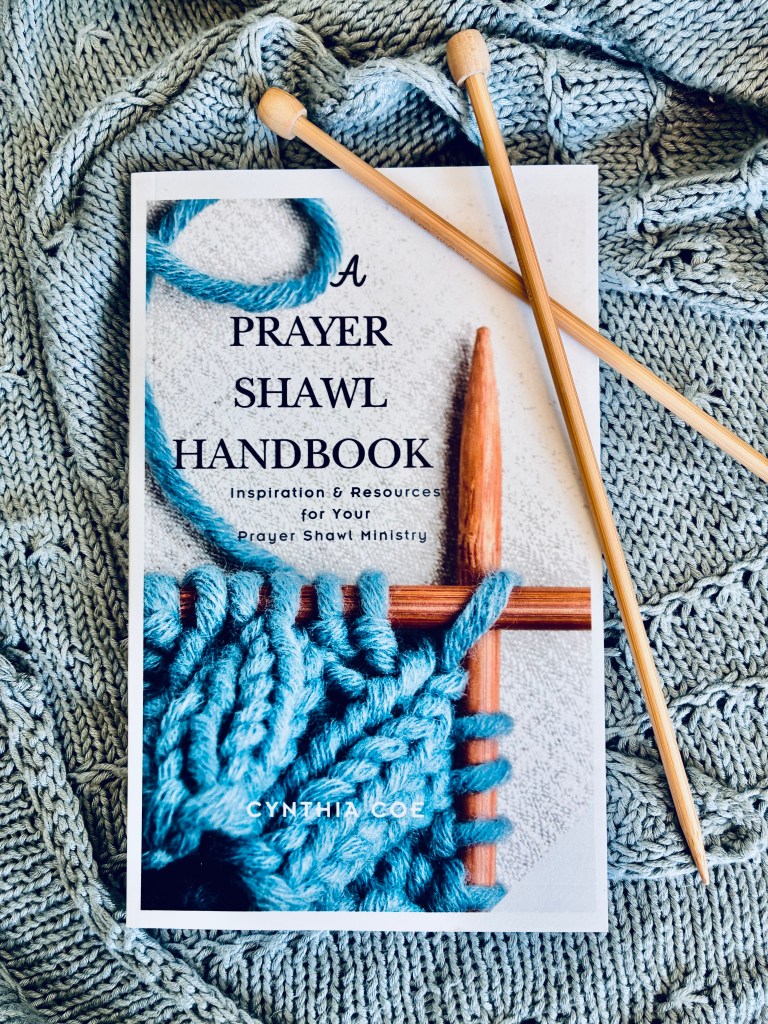
For those who feel drawn to this work, A Prayer Shawl Handbook offers a thoughtful and practical guide to getting started. It explores the history and meaning of prayer shawls, provides simple patterns for knitters and crocheters, and offers ideas for creating shawls with intention—whether for personal use, gifts, or church ministries. It’s a quiet companion for anyone who wants to knit not just with skill, but with love.
Cynthia Coe is the author of The Prayer Shawl Chronicles and its sequel, The Knitting Guild of All Saints. Her newest novels, Knitting Through Time and Knitting Under the Orange Trees, explore how knitting spread through Europe and on to the Americas. Follow her here on the blog, at http://www.cynthiacoe.com, or on her Amazon Author Page.

 Sycamore Cove Knitting