Knitting Together Faith, History, and Community: The Prayer Shawl Chronicles Series

Knitting is much more than crafting a beautiful piece of fabric. It’s about weaving together threads that, on their own, may seem ordinary, but when intertwined, form something greater—something full of meaning and purpose. That’s exactly how I view my series, The Prayer Shawl Chronicles.

While each book stands alone, much like individual strands of yarn, together they create a rich, interconnected story that spans generations, cultures, and the deep role of faith in our communities. My goal with this series has always been to show how knitting, community, and faith intertwine, much like the stitches of a prayer shawl, creating warmth and connection where it’s needed most.

In the first book, The Prayer Shawl Chronicles, we dive into the close-knit (pun intended!) relationships within a small church, where knitting isn’t just a craft—it’s a form of spiritual and emotional support. The women of the church use their knitting needles to form bonds, offer prayers, and express love.

The second book, The Knitting Guild of All Saints, broadens this view, taking readers deeper into the history of a community knit together by faith and a shared love of creating. The guild connects across time, showing how past and present come together to form a lasting legacy through their works of kindness, friendship, and artistry.

Finally, Knitting Through Time steps fully into historical fiction, weaving a tale that travels through different eras, illustrating how the act of knitting—and faith—has long been a thread that connects generations. It’s a tribute to those who came before us and the ways they influenced not just their world, but ours today.

I encourage you to read each of these books not only for their stand-alone stories but also to experience how they interlace into one powerful narrative of faith, knitting, and community. These are stories of people much like us, who find strength in faith and fellowship—and who just so happen to have a love for knitting along the way!

Happy reading, and as always, happy knitting!

Cindy

Cynthia Coe is the author of The Prayer Shawl Chronicles, a series of fictional stories woven together by the theme of human connections made through prayer shawls and the craft of knitting. Her newest book is her first historical novel, Knitting Through Time: Stories of How We Learned to Knit. Learn more by visiting her Author Page at this link

Ten Reasons to Teach Knitting or Crochet in Summer Kids’ Programs

Those of you planning summer youth camps are undoubtedly thinking about what activities you’ll offer in your programs this year. You’ll want something fun and engaging, something parents will talk about favorably and youth will remember fondly. 

Why not teach life skills that will equip them to find their own sense of peace and calm in their lives, as well as serve as an outlet for personal expression? Why not teach crafts that have helped people make useful items for centuries? Here’s ten reasons to teach tried and true crafts – like knitting or crochet – this summer:

Ten Reasons To Teach Traditional Crafts To Young People This Summer

  1. You’re teaching something young people can practice and enjoy for the rest of their lives.
  2. You’re teaching “real” life skills, not an “arts & crafts” project they’ll trash as soon as they get home.
  3. Crafts help young people calm down and get away from their phones.
  4. It’s perfectly acceptable for both boys and girls to engage in crafts we previously thought of as “women’s” or “men’s” crafts. Boys can knit, and girls can do woodworking.
  5. Finishing a challenging craft project gives you a huge sense of accomplishment and self-esteem.
  6. You can make your own clothes, hats, scarves, and blankets, furniture, kitchen items, or other useful things you’ll treasure always.
  7. If you all-natural materials, you’re introducing a sustainability lesson, too.
  8. You can engage members of your community as teachers and create bonds between generations.
  9. Local crafters might donate a lot of the materials you need. All of us crafters have “stashes” of leftover and spare materials and tools we’d like to share. 
  10. Your young people will remember “the summer I learned to knit/whittle/basketweave/crochet” as one of their best memories of summer camp. 

Tips for Teaching Young People How to Knit:

  • Start Small: Go with a small piece of knitting or crochet for kids’ “First Project.” It can be a coaster or a “prayer patch.”
  • Consider casting on in advance for your students. Let kids get the feel for actual knitting before overwhelming them with too many skills to learn too soon.
  • Patience counts! Everyone’s first piece of knitting or crochet will likely look wonky. That’s fine.
  • Have plenty of volunteers available to help kids one-on-one.
  • Consider making short videos of your lessons, so kids can refer back to them later on their phones.

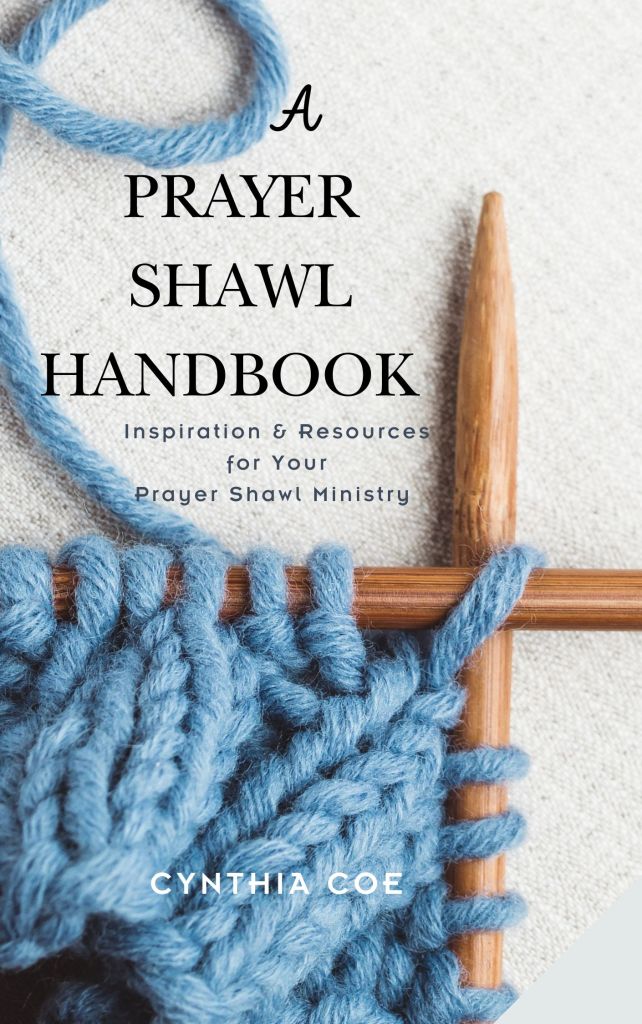
Need a pattern? My new book A Prayer Shawl Handbook has plenty of patterns for simple patterns for prayer shawls and small, quick prayer patches.

A Prayer Shawl Handbook,
available in paperback and e-book editions

Cynthia Coe is the author of The Prayer Shawl Chronicles, a collection of interrelated short stories about knitters and those they meet through knitting and sharing prayer shawls. 

Be sure to check out my newly published A Prayer Shawl Handbook: Inspiration and Resources for Your Prayer Shawl Ministry, now available in paperback and e-book editions and included in Kindle Unlimited.

It’s All About Color: Crafting Color Symbolism in Every Stitch

Exploring Symbolic Colors in Prayer Shawl Design

When you embark on the journey of creating a prayer shawl – or any other crafting project – the choice of colors goes beyond aesthetics; it can carry profound symbolism. Across various traditions, colors have played a significant role in conveying concepts and stories. Whether you’re crafting for spiritual or personal reasons, understanding the symbolism of colors can add a meaningful layer to your prayer shawl design.

Here’s list of common colors and traditional symbolism associated with each:

  • Red: Passion, Love, and Energy
  • Red symbolizes passion, love, energy, courage, warning, power, celebration, and attention, with its meanings varying across cultures and contexts.
  • White: Celebration and Renewal
  • White, representing celebration and renewal, symbolizes purity, a fresh start, and the illuminating power of light.
  • Purple: Rich Emotions
  • Purple can evoke both warmth and calmness.
  • Blue: Calmness and Spirituality
  • Blue brings a sense of calmness. It suggests elements of water, peace, and the expansive sky.
  • Green: Growth and Abundance
  • The color of growth, green is used after Pentecost. It signifies nature, abundance, and tranquility.
  • Yellow and Gold: Warmth and Cheerfulness
  • Yellow suggests cheerfulness and sunshine, while gold brings a sense of coziness and warmth.
  • Pink: Joy and Playfulness
  • Pink represents joy, youthfulness, and cheerfulness.
  • Brown: Earthy Humility
  • Brown symbolizes humility, reminiscent of monk’s robes. It brings warmth through its connection to nature and soil.
  • Beige: Calming Desert Tones
  • A calming color reminiscent of sand, beige can symbolize time spent in the desert or on the beach.

In moments of uncertainty, neutral tones such as beige, cream, grey, taupe, and sand always make for a beautiful prayer shawl. Consider the soothing, cozy, and comfortable feelings these colors can evoke. After all, your hand-crafted work aims to embrace someone with a heartfelt hug.

Whether you find inspiration in religious symbolism or personal preferences, let your prayer shawl be a reflection of warmth, comfort, and love.

Happy knitting!

Cindy

Cynthia Coe is the author of The Prayer Shawl Chronicles, a collection of interrelated short stories about knitters and those they meet through knitting and sharing prayer shawls. 

Be sure to check out my newly published A Prayer Shawl Handbook: Inspiration and Resources for Your Prayer Shawl Ministry, now available in paperback and e-book editions and included in Kindle Unlimited.